
Thank you for Subscribing to Chemical Industry Review Weekly Brief


QOL Medical
Yaritza Stella, Site Quality and RA Head/Director
Building Stronger Quality Systems Through Accountability and Preparedness
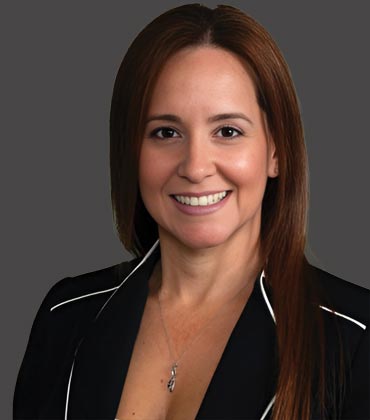
Yaritza Stella
Yaritza Stella is a quality and compliance leader with more than two decades of experience across the life sciences industry. She specializes in quality assurance, human performance improvement, risk management and regulatory compliance in highly regulated environments.
The Impact of Human Performance on Quality From my perspective, one of the most significant trends in the chemical industry is human performance and the direct impact it has on quality assurance and quality compliance. Human interaction remains a critical factor across quality and compliance activities. While AI is becoming a rising trend, it requires careful consideration as it does not have the same human interaction that remains essential in these environments. When issues arise, we do not stop at calling them human error. In my experience, that alone does not explain the issue. I often remind my team that many errors involve human interaction because people are behind the transactions. That is why we look deeper to understand what actually contributed to the error. Once the root cause is understood, recurrences are prevented by establishing fixes and improvements. Risk assessment is another valuable tool and is widely supported by regulatory agencies through ICH guidelines. While risk assessment plays an important role in quality systems, it should not be used to justify non-compliance. A low-risk assessment is not a valid reason to disregard a regulatory requirement. Organizations can document risk, propose corrective actions and implement mitigation strategies, but they must still meet the requirements established by regulatory authorities. Maintaining Data Integrity in a Digital Environment Throughout my career, digital transformation has remained a constant presence across the industry. For organizations in regulated environments, that transition requires compliance with the FDA 21 CFR Part 11 requirements governing electronic records and electronic signatures, as well as computer system validation.With geopolitical events continuing to create uncertainty, supply disruptions can have a direct impact on patients for companies like ours that work with orphan drugs for rare diseases.
The articles from these contributors are based on their personal expertise and viewpoints, and do not necessarily reflect the opinions of their employers or affiliated organizations.
